Case IH Farmall 55 EP Tractor Service Pdf Manual (Without Cab)
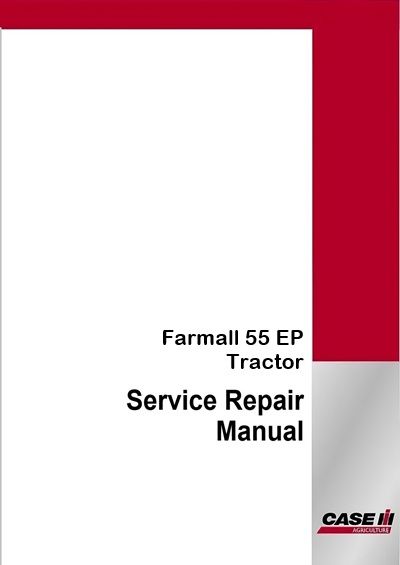
Case IH Farmall 55 EP Tractor Service PDF Manual (Without Cab)
On vegetable farms, poultry units, dairy operations, and small mixed farms, the tractor rarely has a chance to rest. The Case IH Farmall 55 EP Without Cab was engineered as an economical utility tractor for operators who wanted dependable performance without unnecessary complexity. Its open operator platform provides excellent visibility for loader work, implement attachment, and daily chores, making it equally comfortable feeding livestock, maintaining paddocks, mowing pasture, transporting supplies, or operating cultivation equipment. Because these tractors often work every day rather than seasonally, preventive maintenance and accurate repairs are essential to keeping farm operations running smoothly.
The Case IH Farmall 55 EP Tractor Service PDF Manual gives technicians access to the same workshop procedures used during factory servicing. Instead of focusing only on component replacement, it explains how each system should be inspected, measured, diagnosed, repaired, adjusted, and tested before the tractor returns to service. Whether you're servicing a privately owned machine or maintaining an entire fleet of utility tractors, this manual provides reliable technical guidance for professional-quality repairs.
Why the Farmall 55 EP Is a Popular Utility Tractor
The Farmall 55 EP was developed for farmers who needed one tractor capable of performing dozens of different jobs throughout the year. Its compact dimensions make it easy to maneuver around livestock buildings and storage yards, while the three-point linkage and PTO allow quick connection to a wide range of agricultural implements. The open-platform design also simplifies routine servicing by providing easy access to key maintenance points.
| Machine Overview | Details |
|---|---|
| Model | Case IH Farmall 55 EP |
| Configuration | Without Cab (Open Platform) |
| Machine Category | Utility Agricultural Tractor |
| Primary Applications | Livestock Farms, Loader Work, Pasture Maintenance, Cultivation, Mowing, Transport and General Farm Duties |
| Implement Compatibility | Three-Point Hitch and PTO-Driven Equipment |
Workshop Operations Explained in This Manual
Every chapter is written from a workshop perspective, helping mechanics identify the actual cause of a problem before dismantling major assemblies. This reduces unnecessary downtime and helps avoid replacing serviceable parts.
- Checking PTO engagement before servicing rotary implements
- Inspecting hydraulic lift performance with mounted equipment
- Diagnosing steering play caused by repeated front-loader operation
- Transmission inspection following difficult gear selection
- Brake balancing and linkage adjustment
- Electrical charging and starter circuit troubleshooting
- Cooling system inspection before peak summer workloads
Factory Technical Information That Makes Repairs Easier
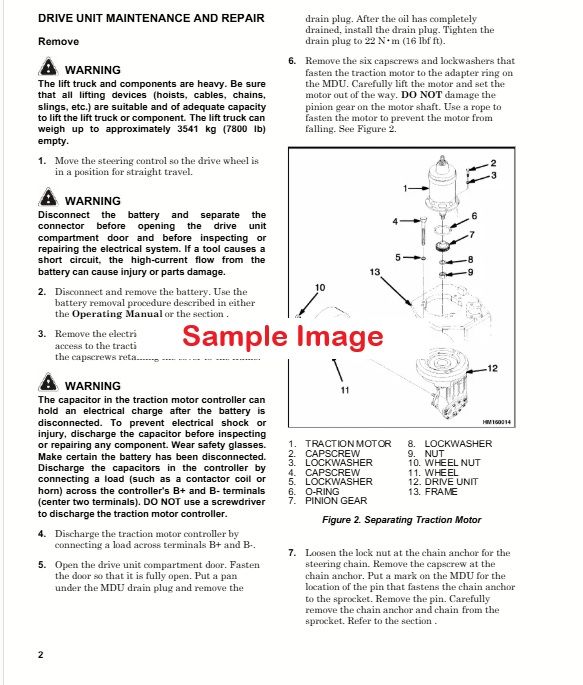
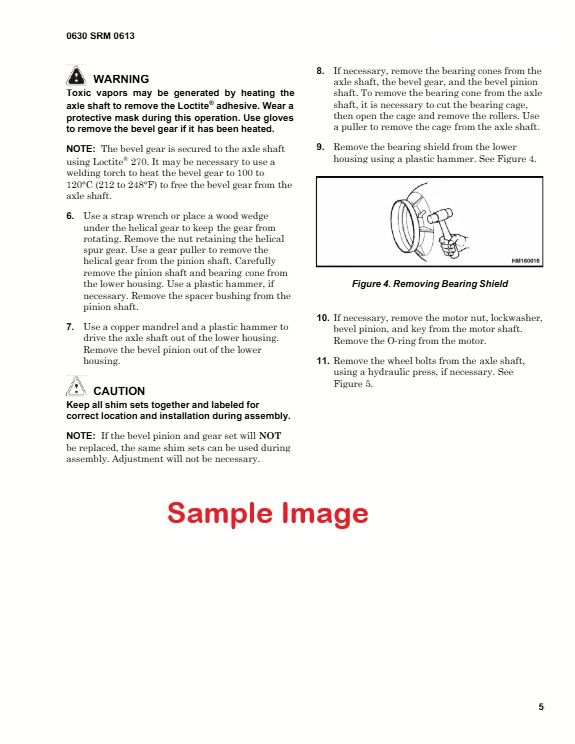
Repairing a utility tractor properly requires more than standard workshop experience. This factory manual includes engineering specifications, inspection tolerances, tightening sequences, adjustment procedures, and diagnostic methods that help technicians restore the tractor to its intended operating condition instead of relying on assumptions.
- Illustrated disassembly and reassembly procedures
- Complete electrical wiring diagrams with connector locations
- Hydraulic pressure testing instructions
- Factory torque specifications for major components
- Wear limits and service measurements
- Adjustment procedures after mechanical repairs
- Operational testing before placing the tractor back into service
Manual Specifications
| Manual Information | Details |
|---|---|
| Manual Type | Factory Service Repair Workshop Manual |
| Model Covered | Case IH Farmall 55 EP Tractor |
| Configuration | Without Cab |
| Format | PDF Digital Manual |
| Language | English |
| Delivery | Instant Download |
| Searchable | Yes |
| Printable | Yes |
| Compatible Devices | Windows PC, Mac, Laptop, Android, iPhone & Tablet |
| Workshop Coverage | Engine, Fuel System, Cooling System, Clutch, Transmission, PTO, Hydraulic System, Steering, Brakes, Front Axle, Rear Axle, Electrical System, Wiring Diagrams, Diagnostics, Specifications, Testing and Adjustments |
Who Should Keep This Manual?
This manual is an excellent workshop companion for independent mechanics, agricultural service centres, livestock producers, municipal maintenance teams, and Farmall 55 EP owners who perform their own servicing. It supports everything from routine maintenance and fault diagnosis to complete mechanical overhauls and long-term restoration work.
Frequently Asked Questions
My Farmall 55 EP spends most of its time carrying hay with a front loader. Does the manual explain how to inspect loader-related wear?
Yes. The workshop procedures include inspection of the steering system, front axle components, hydraulic performance, and associated assemblies that experience increased stress during regular loader operation.
Can this manual help identify why the three-point hitch raises slowly with heavy implements?
Absolutely. The hydraulic section provides pressure testing methods, internal leakage checks, valve inspections, and troubleshooting sequences that help pinpoint the exact cause before replacing hydraulic components.
I use my tractor mainly for mowing and rotary slashing. Does the manual cover PTO diagnostics?
Yes. Dedicated PTO chapters explain engagement checks, operational testing, adjustment procedures, and repair methods to help restore consistent power delivery to PTO-driven implements.
Is this manual suitable for off-season servicing before planting begins?
Yes. Many owners use it during winter maintenance to inspect the drivetrain, steering, brakes, hydraulics, cooling system, and electrical circuits so the tractor is fully prepared before the next farming season.
Does the manual include complete electrical troubleshooting, or only wiring diagrams?
It includes both. Along with factory electrical wiring diagrams, you'll find circuit descriptions, connector identification, testing procedures, and systematic fault-finding instructions for diagnosing electrical problems efficiently.