Case IH Farmall 60, Farmall 80, Farmall 95 Tractor Service Pdf Manual
Case IH Farmall 60, Farmall 80, Farmall 95 Tractor Service PDF Manual
As farm operations expand, tractors are expected to perform far more than a single task. The Case IH Farmall 60, Farmall 80, and Farmall 95 were introduced as dependable utility tractors capable of adapting to changing workloads throughout the year. From livestock feeding before sunrise to mowing, baling, cultivation, material handling, and road transport, these machines are built to move seamlessly between jobs without compromising reliability. Because they often accumulate thousands of operating hours in demanding environments, accurate factory service information becomes essential for keeping them productive and reducing costly downtime.
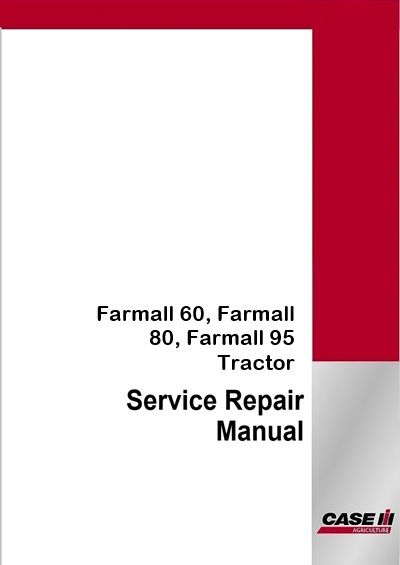
The Case IH Farmall 60, Farmall 80, Farmall 95 Tractor Service PDF Manual provides dealership-level workshop procedures for servicing the complete tractor. It explains not only how to replace components but also how to inspect them, determine whether they remain within factory specifications, perform adjustments, and verify repairs before the tractor returns to work. This makes the manual valuable for agricultural workshops, independent mechanics, fleet maintenance departments, and owners who want repairs completed correctly the first time.
Developed for Mixed Farming Environments
Unlike row-crop tractors designed primarily for large-scale field work, the Farmall 60, 80, and 95 are true all-round utility machines. Their balanced size allows them to operate comfortably inside livestock facilities, around storage yards, in hay fields, and on small to medium-sized crop farms. Whether connected to a front loader, round baler, rotary mower, fertilizer spreader, or transport trailer, these tractors are engineered to remain productive throughout every season.
| Machine Overview | Details |
|---|---|
| Models Covered | Case IH Farmall 60, Farmall 80 & Farmall 95 |
| Machine Category | Utility Agricultural Tractor |
| Common Applications | Loader Work, Livestock Feeding, Hay Production, PTO Implements, Transport, Mowing and General Farm Operations |
| Workshop Suitability | Professional Mechanics, Agricultural Workshops and Farm Maintenance Teams |
| Equipment Compatibility | Three-Point Hitch Implements and PTO-Driven Equipment |
Workshop Procedures Designed Around Real Service Problems
Every chapter is organised around the diagnostic process used in professional workshops. Rather than replacing parts based on symptoms alone, the manual explains how to confirm faults through inspection, measurement, and testing before beginning repairs.
- Investigating hydraulic pressure loss while operating front loaders
- Checking PTO engagement before servicing powered implements
- Inspecting transmission components after difficult gear selection
- Diagnosing steering response following heavy field operation
- Testing charging and starting circuits using factory electrical procedures
- Evaluating brake wear before replacing assemblies
- Inspecting front axle components after continuous loader work
Technical Information That Supports Accurate Repairs
Factory workshop manuals provide significantly more technical detail than general repair publications. Alongside detailed repair instructions, this manual includes adjustment values, inspection limits, diagnostic sequences, hydraulic testing methods, and service specifications that help technicians complete repairs to original Case IH standards.
- Factory component inspection limits
- Complete electrical wiring diagrams and circuit identification
- Hydraulic troubleshooting procedures
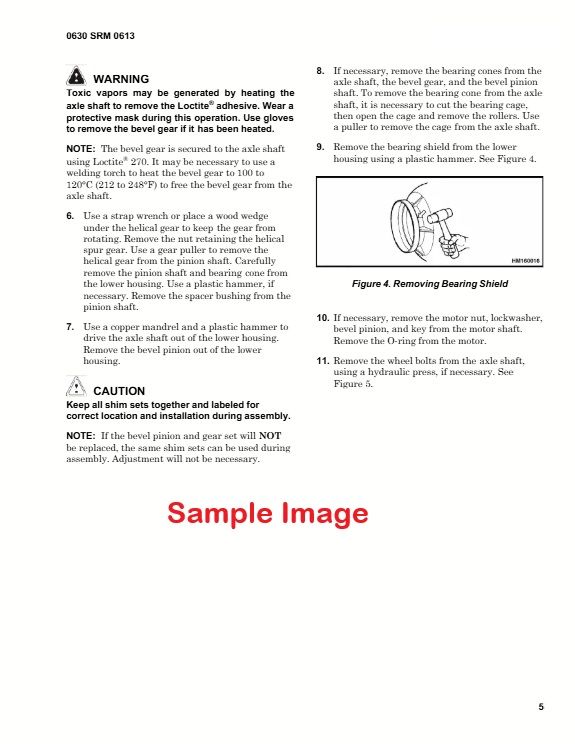
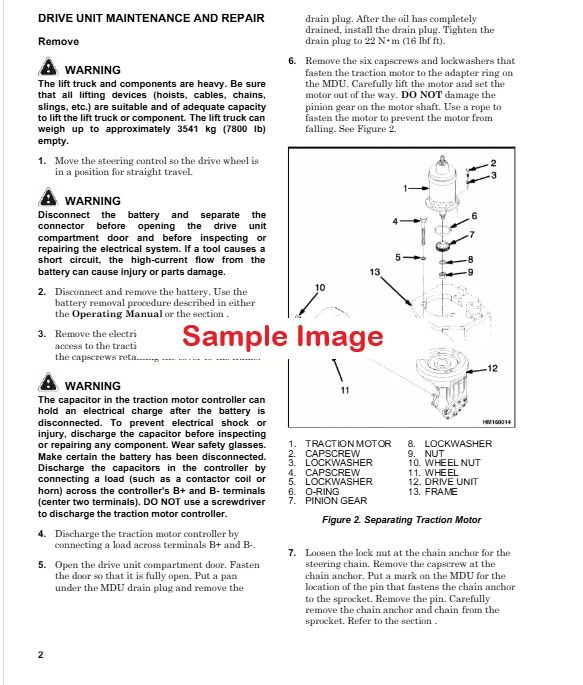
- Step-by-step overhaul instructions with technical illustrations
- Fastener torque specifications for major assemblies
- Calibration and adjustment procedures
- Operational testing after repairs are completed
Manual Specifications
| Manual Information | Details |
|---|---|
| Manual Type | Factory Service Repair Workshop Manual |
| Models Covered | Case IH Farmall 60, Farmall 80 and Farmall 95 |
| Format | PDF Digital Manual |
| Language | English |
| Delivery | Instant Download |
| Searchable | Yes |
| Printable | Yes |
| Compatible Devices | Windows PC, Mac, Laptop, Android, iPhone & Tablet |
| Workshop Coverage | Engine, Fuel System, Cooling System, Clutch, Transmission, PTO, Hydraulic System, Steering, Brakes, Front Axle, Rear Axle, Electrical System, Wiring Diagrams, Diagnostics, Testing, Specifications and Adjustments |
Why This Manual Is Useful Throughout the Tractor's Life
Whether carrying out scheduled servicing, diagnosing an unexpected breakdown during harvest, rebuilding a transmission, or restoring a well-used utility tractor, this manual provides consistent factory procedures that help maintain reliability and preserve the long-term value of the machine.
Frequently Asked Questions
Our farm operates both a Farmall 60 and a Farmall 95. Can one manual support servicing both tractors?
Yes. This workshop manual is designed to cover the Farmall 60, Farmall 80, and Farmall 95 models, making it a practical reference for farms and repair shops maintaining multiple tractors from the same series.
Can this manual help identify hydraulic problems before replacing expensive pumps or valves?
Yes. The hydraulic chapters explain pressure testing, system inspections, diagnostic procedures, and operational checks that help determine the true cause of reduced hydraulic performance.
Does the manual explain how to inspect the PTO system after operating balers and rotary mowers?
Absolutely. It includes PTO engagement inspections, adjustment procedures, operational testing, and troubleshooting methods for tractors regularly powering heavy PTO-driven implements.
Are complete electrical wiring diagrams included for charging and lighting repairs?
Yes. The manual contains factory electrical wiring diagrams, connector identification, circuit testing procedures, and systematic fault diagnosis for the complete electrical system.
Would this manual be useful for preparing these tractors before hay season or harvest?
Definitely. Many owners use the manual during seasonal maintenance to inspect drivetrain components, verify hydraulic performance, adjust steering and brakes, and ensure the tractor is ready for intensive field operations before the busiest months of the year.