Link Belt RTC-8049 II Crane Service Pdf Manual
Link-Belt RTC-8049 II Crane Service PDF Manual
Some cranes are selected because of their rated lifting capacity. The Link-Belt RTC-8049 II earned its reputation because it could remain productive after years of continuous work in environments where downtime is measured in thousands of dollars per hour. Whether lifting pipe racks during refinery shutdowns, placing precast concrete on bridge projects or handling structural steel inside manufacturing plants, the RTC-8049 II was engineered to deliver dependable performance on rough ground while giving operators the confidence of a purpose-built hydraulic lifting platform.
Positioned in Link-Belt's higher-capacity rough terrain lineup, the RTC-8049 II combines a robust four-wheel-drive carrier with a full-power telescopic boom, heavy-duty planetary winches and a load-sensing hydraulic system that responds smoothly during boom elevation, telescoping and swing operations. Unlike cranes that spend most of their life travelling on highways, rough terrain cranes repeatedly experience axle oscillation, uneven ground loading and constant articulation between the carrier and upperstructure. These working conditions gradually affect swing bearings, boom wear pads, hydraulic cylinders, telescope sequencing components, steering valves and transmission driveline assemblies. The OEM factory service manual provides the inspection standards, adjustment procedures and repair methods required to restore these systems to Link-Belt operating specifications rather than relying on replacement by guesswork.
Machine Information
| Manufacturer | Link-Belt Cranes |
| Model | RTC-8049 II |
| Series | Series II |
| Machine Type | Hydraulic Rough Terrain Crane |
| Capacity Class | Approximately 49 US Tons |
| Boom Configuration | Four-Section Full-Power Telescopic Boom |
| Boom Extension | Hydraulic Sequential Telescope System |
| Swing System | 360° Continuous Rotation |
| Swing Drive | Hydraulic Planetary Reduction |
| Carrier | Heavy-Duty Rough Terrain Chassis |
| Drive System | Four-Wheel Drive |
| Steering Modes | Front, Four-Wheel & Crab Steering |
| Transmission | Powershift Transmission |
| Axle Suspension | Hydraulic Oscillation Lockout System |
| Outriggers | Hydraulic Beam & Jack Cylinders |
| Winch System | Hydraulic Planetary Winches |
| Hydraulic Architecture | Load-Sensing Multi-Pump System |
| Electrical System | 12-Volt |
| Primary Applications | Refineries, Heavy Industrial Plants, Bridge Construction, Steel Erection, Energy Projects |
| Design Focus | High Lifting Performance with Excellent Off-Road Mobility |
Workshop Perspective
A technician rebuilding an RTC-8049 II rarely replaces a complete assembly without first confirming the actual source of the fault. Reduced boom speed can result from pressure loss, internal cylinder bypass, contaminated hydraulic oil or telescope counterbalance valve issues. Likewise, excessive swing movement may originate from brake wear, reduction gear backlash or bearing preload rather than the hydraulic motor itself. The factory manual follows this diagnostic philosophy by guiding mechanics through inspection, measurement, pressure testing and component verification before repair decisions are made.
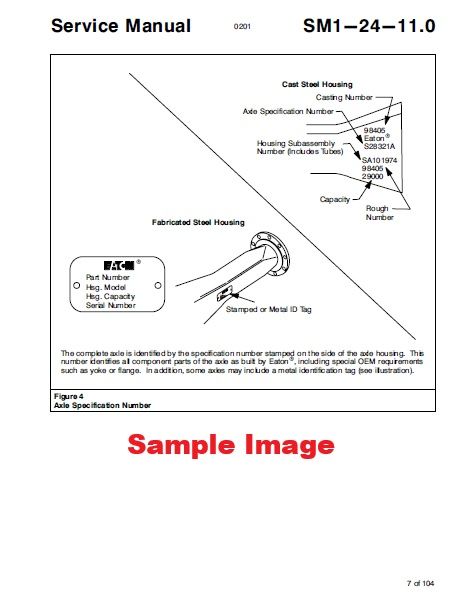
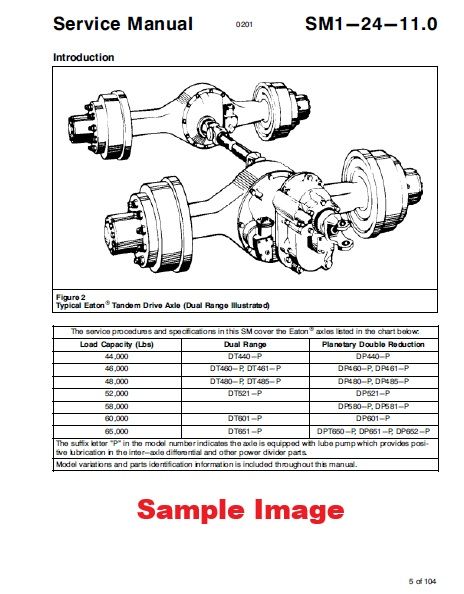
Rather than presenting only exploded parts illustrations, the manual documents complete workshop procedures used by Link-Belt service departments, allowing rebuilt components to be tested and adjusted before the crane returns to lifting operations.
OEM Workshop Coverage
- Front and rear axle reconditioning with inspection dimensions
- Steering cylinder rebuilding and installation procedures
- Power steering pump overhaul
- Funk and Spicer transmission diagnosis, removal and rebuilding
- Transmission control unit diagnostics
- Hydraulic reservoir cleaning and contamination control
- Main hydraulic pump removal, inspection and reconditioning
- Outrigger directional valve rebuilding
- Hydraulic solenoid valve servicing
- Axle oscillation accumulator overhaul
- Axle oscillation lockout valve servicing
- Turntable bearing removal and installation
- Main counterweight removal procedures
- Swing brake inspection, rebuilding and adjustment
- Swing reduction gearbox overhaul
- Winch troubleshooting and planetary winch rebuilding
- Boom inspection and structural repair guidance
- Boom telescope cylinder rebuilding and troubleshooting
- Boom hoist cylinder overhaul
- Counterbalance valve servicing
- Hydraulic crane schematics and electrical diagrams
- Torque charts, bearing inspections and operational testing
Manual Technical Information
| Manual Type | OEM Factory Service Manual |
| Language | English |
| Format | PDF Digital Manual |
| Searchable | Yes |
| Bookmarks | Yes |
| Printable | Yes |
| Hydraulic Schematics | Included |
| Electrical Wiring Diagrams | Included |
| Diagnostic Procedures | Included |
| Troubleshooting Guides | Included |
| Hydraulic Pressure Testing | Included |
| Component Rebuilding | Included |
| Torque Specifications | Included |
| Inspection Standards | Included |
| Operational Testing | Included |
| Removal & Installation | Included |
| Compatible Devices | Windows, macOS, Android, iPhone & Tablets |
| Instant Digital Access | Yes |
Frequently Asked Questions
Is this an OEM factory workshop manual?
Yes. It follows the factory repair format used by Link-Belt technicians for servicing and rebuilding the RTC-8049 II.
Does the manual include hydraulic and electrical schematics?
Yes. It contains complete hydraulic crane schematics, electrical wiring diagrams and detailed diagnostic procedures for troubleshooting machine systems.
What major components are covered?
The manual includes overhaul procedures for axles, transmissions, hydraulic pumps, swing systems, boom cylinders, winches, outriggers, steering components, turntable bearings and many other serviceable assemblies.