Link Belt RTC-8050 Crane Service Pdf Manual
Link-Belt RTC-8050 Crane Service PDF Manual
Some cranes spend their lives making occasional lifts. The Link-Belt RTC-8050 was built for something different—continuous production. Whether assembling steel structures, replacing refinery vessels, erecting precast bridge components or supporting power plant maintenance, this 50-ton rough terrain crane was designed to remain productive where unstable ground and restricted access prevent larger truck cranes from operating efficiently. One of its standout engineering features is Link-Belt's exclusive CALC (Confined Area Lifting Capacity) system, which allows operators to maximize lifting performance in tight working environments without sacrificing machine stability.
Instead of simply increasing lifting capacity, Link-Belt focused on improving real-world jobsite efficiency. The RTC-8050 combines a four-section hydraulic telescopic boom with a compact two-axle carrier, allowing contractors to transport the crane easily while reducing repositioning time between lifts. Four-wheel drive, multiple steering modes and a heavy-duty hydraulic system enable the machine to travel confidently across uneven terrain, making it equally effective on industrial shutdowns, petrochemical projects, infrastructure work and heavy commercial construction. Over thousands of operating hours, repeated boom extension, winch operation, steering articulation and swing cycles gradually wear hydraulic valves, planetary gear sets, boom wear pads, rotating joints and drivetrain components. Accurate rebuilding of these assemblies depends on factory inspection procedures rather than assumptions, which is exactly what this OEM service manual provides.
Machine Information
| Manufacturer | Link-Belt Cranes |
| Model | RTC-8050 |
| Machine Type | Hydraulic Rough Terrain Crane |
| Rated Capacity | 50 US Tons (45.35 Metric Tons) |
| Main Boom | 36–110 ft (10.97–33.53 m) Four-Section Full-Power Telescopic Boom |
| Optional Jib | 29–51 ft (8.8–15.5 m) Bi-Fold Fly |
| Maximum Tip Height | Approximately 168 ft (51.2 m) |
| Maximum Boom Elevation | 78° |
| Swing Rotation | 360° Continuous |
| Swing Speed | Approx. 2.6 rpm |
| Drive Configuration | 4 × 4 |
| Steering Modes | Front, Four-Wheel & Crab Steering |
| Transmission | Powershift |
| Engine | Cummins 6CT8.3 Diesel |
| Engine Power | 210 HP (156.6 kW) |
| Travel Speed | 20.3 mph (32.7 km/h) |
| Tyres | 29.5 × 25 |
| Fuel Capacity | 100 gal (378.5 L) |
| Hydraulic Oil Capacity | 170 gal (643.5 L) |
| Electrical System | 12 Volt |
| Exclusive Technology | CALC (Confined Area Lifting Capacity) |
| Typical Applications | Steel Erection, Refineries, Bridge Construction, Heavy Industrial Plants, Power Generation, Infrastructure |
Why Experienced Crane Technicians Prefer the OEM Manual
Large crane repairs rarely begin with replacing parts. A slow telescoping boom may be caused by pilot pressure loss, internal cylinder leakage or sequencing valve problems. Poor swing response can originate from brake drag, excessive reduction gearbox backlash or hydraulic motor wear. Likewise, uneven outrigger performance may result from holding valve leakage instead of cylinder failure. The factory service manual follows the same diagnostic process used by Link-Belt service departments, allowing technicians to confirm the root cause before dismantling expensive assemblies.
Every repair section progresses from inspection and measurement to disassembly, reconditioning, assembly, hydraulic testing and final operational verification. This systematic approach helps restore the crane's original lifting performance while reducing unnecessary replacement of serviceable components.
OEM Workshop Coverage
- General workshop procedures and service safety practices
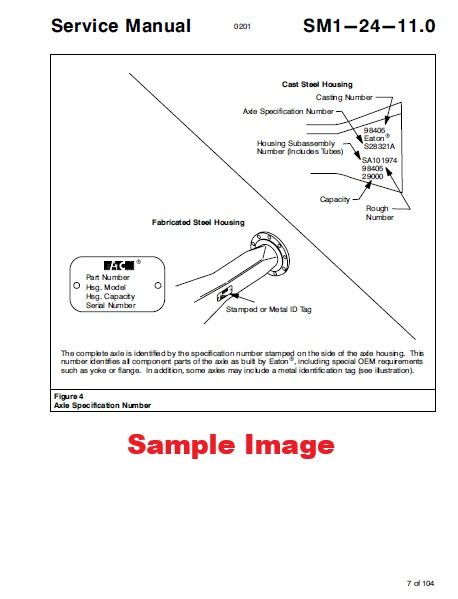
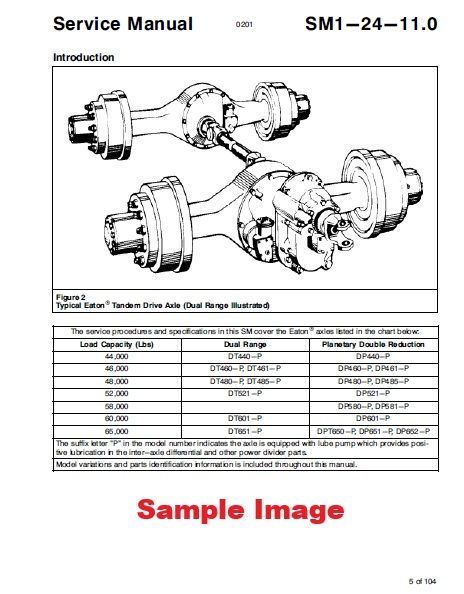
- Front axle, rear axle and differential overhaul
- Planetary hub inspection with bearing preload adjustment
- Powershift transmission diagnosis and rebuilding
- Engine cooling package servicing
- Hydraulic pump testing and performance analysis
- Main control valve spool inspection
- Rotating joint resealing and leak diagnosis
- Boom telescope cylinder overhaul and synchronization
- Boom hoist cylinder rebuilding
- Outrigger beam cylinder repair and holding valve testing
- Swing gearbox inspection and backlash measurement
- Swing brake adjustment and operational checks
- Planetary winch overhaul and brake servicing
- Hydraulic accumulator charging procedures
- Steering valve calibration and cylinder repair
- Electrical wiring diagrams and circuit diagnostics
- Hydraulic schematic interpretation
- Torque specifications, wear limits and inspection standards
- Post-repair functional testing and crane performance verification
Manual Technical Information
| Manual Type | OEM Factory Service Manual |
| Language | English |
| Format | PDF Digital Manual |
| Bookmarks | Yes |
| Searchable PDF | Yes |
| Printable | Yes |
| Hydraulic Schematics | Included |
| Electrical Wiring Diagrams | Included |
| Diagnostic Flowcharts | Included |
| Hydraulic Pressure Testing | Included |
| Transmission Diagnostics | Included |
| Boom Synchronization Procedures | Included |
| Swing System Repairs | Included |
| Component Rebuild Procedures | Included |
| Inspection Standards | Included |
| Torque Specifications | Included |
| Operational Testing | Included |
| Compatible Devices | Windows, macOS, Android, iPhone & Tablets |
Frequently Asked Questions
Is this an OEM factory service manual?
Yes. It contains factory repair procedures, diagnostic information, inspection standards and workshop instructions developed specifically for the Link-Belt RTC-8050.
Does the manual include hydraulic and electrical schematics?
Yes. It includes detailed hydraulic circuit diagrams, electrical wiring schematics and troubleshooting procedures for major crane systems.
Can it be used for complete component rebuilding?
Yes. The manual covers axles, transmission, hydraulic pumps, boom cylinders, swing systems, winches, outriggers, steering assemblies and many other repairable components using OEM service methods.